A Humble Beginning on the Island of Madeira
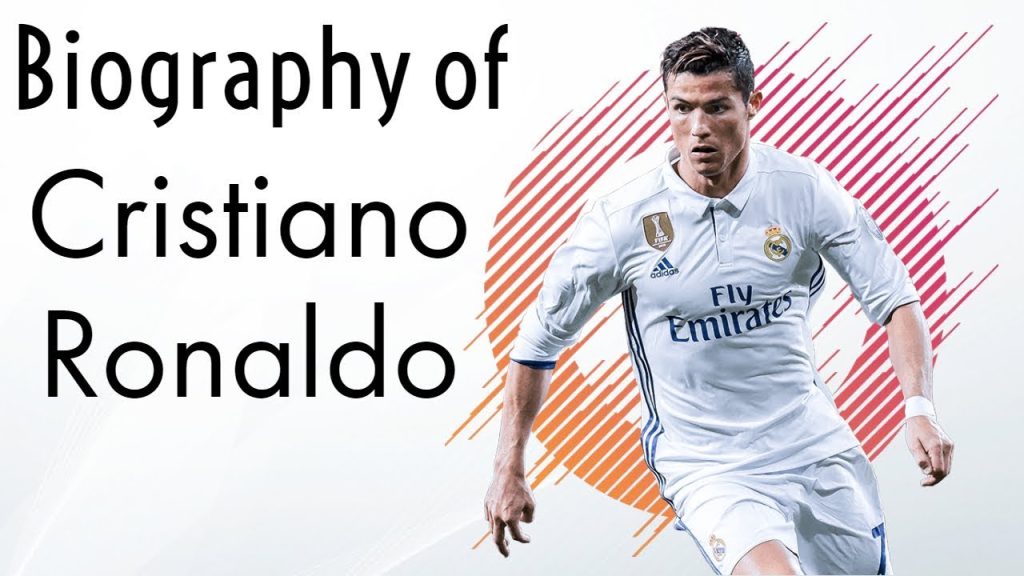
Cristiano Ronaldo dos Santos Aveiro was born on February 5, 1985, on the small Portuguese island of Madeira. His upbringing was modest, shaped by a close-knit family and limited financial means. His father worked as a kit man, and his mother took on multiple jobs to support the household. From a young age, football was more than a pastime for Ronaldo. It was an escape and a dream. He spent countless hours playing in the streets, barefoot at times, driven by an unusual focus for a child. Even at school, his attention stayed on the ball. Many neighbors noticed his hunger to improve, a trait that would define his entire career. Early local matches and youth teams gave him his first taste of structure and discipline. Mentions of emerging talents like him later appeared on platforms such as luongsontv, but long before global attention, his journey was deeply personal and grounded in sacrifice.
Early Influences and Family Support
- Grew up in a working-class family with strong values
- Developed football skills through street games and local clubs
- Showed emotional intensity and competitiveness at a very young age
Leaving Home Early to Chase a Bigger Dream
At the age of 12, Ronaldo made one of the toughest decisions of his life. He left Madeira and moved to Lisbon to join Sporting CP’s academy. The move meant separation from family and familiar surroundings. The early days were painful. He struggled with homesickness and faced teasing for his Madeiran accent. Still, his response was to work harder. Training sessions became longer, and his commitment stood out among peers. Coaches noticed his speed, control, and willingness to repeat drills until perfection. This period shaped his mental toughness. He learned how to live independently and channel emotion into progress. Sporting CP provided structure, but Ronaldo provided the obsession. By his mid-teens, it was clear he was on a different path than most academy players.
Key Lessons from the Sporting CP Academy
- Learned discipline and professional habits early
- Developed resilience by adapting to a new environment
- Refined technical skills through intensive daily training
Breakthrough at Manchester United and Global Recognition
Ronaldo’s life changed dramatically in 2003 after a friendly match between Sporting CP and Manchester United. His performance caught the attention of Sir Alex Ferguson, who moved quickly to sign him. At just 18, Ronaldo arrived in England facing high expectations and physical football. The early seasons were about growth. He added strength, improved decision-making, and learned teamwork. His flashy skills gradually turned into effective tools. By 2007 and 2008, he became the centerpiece of the team. Goals, assists, and trophies followed. Winning the Premier League and the UEFA Champions League cemented his place among the world’s best. He also earned his first Ballon d’Or, marking his arrival at the top of the sport.
Growth During the Manchester United Years
- Transformed raw talent into consistent performance
- Improved physical strength and tactical awareness
- Earned major individual and team honors
Record-Breaking Years at Real Madrid
In 2009, Ronaldo joined Real Madrid in a transfer that set new records at the time. The pressure was immense, but he embraced it fully. Over the next nine seasons, he redefined what excellence looked like. His goal-scoring numbers were historic, and his rivalry with other elite players pushed him further. He became a leader on and off the pitch, delivering in decisive moments. Champions League nights often belonged to him, and his consistency amazed fans and analysts alike. Beyond goals, his professionalism raised standards within the club. By the time he left, he was Real Madrid’s all-time top scorer and a symbol of relentless ambition.
Achievements That Defined the Madrid Era
- Broke long-standing scoring records
- Won multiple Champions League titles
- Became a global brand alongside club success
Leading Portugal and Achieving International Glory
For years, critics questioned whether Ronaldo could replicate club success with the national team. He carried the weight of expectation for Portugal, often being the focal point of both hope and criticism. His leadership matured over time. The breakthrough came in 2016 when Portugal won the European Championship. Even though he was injured in the final, his presence on the sidelines inspired teammates. Later, he helped secure the UEFA Nations League title. These victories changed the narrative around his international career. He was no longer just a club legend but a national hero who delivered when it mattered most.
Milestones with the Portuguese National Team
- Became Portugal’s all-time top scorer
- Led the team to major international trophies
- Set records for appearances and goals
Reinvention Through New Leagues and Challenges
After leaving Real Madrid, Ronaldo continued to challenge himself. His move to Juventus showed his adaptability, as he adjusted to Italian football and delivered goals consistently. A return to Manchester United brought nostalgia and leadership during a transitional period. Later, his decision to play in Saudi Arabia marked a new chapter. While opinions varied, his influence on the league was undeniable. Coverage and discussions on platforms like luongson tv reflected the global interest in every step of his journey. Even in new surroundings, his standards remained high. He proved that longevity at the elite level comes from discipline and self-belief.
Adapting Across Different Football Cultures
- Succeeded in England, Spain, Italy, and beyond
- Maintained elite fitness and professionalism
- Expanded football’s reach to new audiences
Work Ethic, Playing Style, and Life Beyond Football
Ronaldo’s success is often linked to his unmatched work ethic. Training routines, diet, and recovery are treated with extreme seriousness. On the pitch, his style evolved. From a tricky winger to a powerful forward, he adapted as his body and experience changed. Off the field, he built a strong business presence, including endorsements and personal ventures. Despite fame, he often speaks about responsibility and setting an example. His dedication shows that talent opens doors, but discipline keeps them open for decades.
Traits That Set Ronaldo Apart
- Obsessive commitment to fitness and improvement
- Ability to evolve playing style over time
- Strong personal brand built on performance
Conclusion Reflecting on Cristiano Ronaldo’s Lasting Legacy, Influence, and Unfinished Inspiration
Cristiano Ronaldo’s life story is not just about football trophies or individual awards. It is about persistence, sacrifice, and belief in one’s own potential. From the streets of Madeira to the biggest stadiums in the world, his journey shows what sustained effort can achieve. Each chapter of his career adds depth to his legacy, inspiring young players and fans far beyond the sport. His influence continues to shape modern football culture, training standards, and professional mindset. Even as his playing days move toward their final stages, the lessons from his life remain powerful. Ronaldo’s story stands as proof that greatness is built daily, through choices, habits, and an unyielding desire to improve.
Final Takeaways from Ronaldo’s Life and Career
- Success came through long-term discipline and focus
- Challenges were met with adaptation, not retreat
- His legacy extends beyond goals into mindset and influence