Cats are famously fussy drinkers. Many owners refill a bowl faithfully and still watch their cat barely touch it, then worry about dehydration, urinary health, and those long stretches of summer heat. The frustration is real, and it usually is not the cat being difficult for its own sake. Standing water goes stale, collects dust and hair, and offers nothing that appeals to an animal wired to seek movement and freshness.
A pet water fountain works with that instinct rather than against it. Moving water catches a cat's attention, stays cooler, and encourages more frequent sips throughout the day. But not every fountain suits every household, and a few design details make the difference between a product your cat loves and one that sits ignored in a corner. Understanding the instinct behind your cat's behavior, and matching a fountain to it, turns a nagging worry into an easy daily habit that supports long-term health.
The Biology Behind Your Cat's Picky Drinking Habits
Cats evolved as desert-adjacent hunters with a naturally low thirst drive. In the wild, most of their water came from prey, so they never developed a strong urge to seek out still pools. That history explains why a domestic cat can walk past a full bowl all day and still show signs of mild dehydration. Their bodies are tuned to extract moisture from food, not to chase down water sources, and a bowl of dry kibble gives them little of the moisture their ancestors got from a fresh kill.
Their senses push them further away from stagnant water. Cats are sensitive to the smell and temperature of what they drink, and a bowl that has sat out for hours tastes flat and carries dust. Whisker fatigue plays a role too: a deep, narrow bowl forces the whiskers to brush the sides, which many cats find unpleasant. Moving water reads as fresh and safe, which is why so many cats gravitate to dripping taps and running sinks. A fountain simply recreates that cue in a controlled, filtered form.
Signs Your Cat Needs More Water
Owners often miss the early signals. Dry gums, slightly tacky skin that stays tented when gently pinched, and reduced urine output are common clues. A cat that suddenly drinks far more than usual deserves a vet visit, but a cat that drinks almost nothing from a bowl is a different, more common problem. Lethargy, sunken eyes, and a loss of appetite are more serious signs that call for prompt professional attention.
Switching to a fountain will not fix a medical issue, and it is not a substitute for veterinary advice. What it can do is remove one everyday barrier to drinking, so a healthy cat naturally takes in more fluid across the day. Think of it as prevention and comfort rather than treatment, and pair it with regular checkups if your cat has a history of urinary concerns. A fountain is a small tool, but it fits neatly into a broader hydration strategy.
How Flowing Water Encourages Hydration
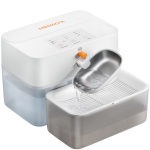
The mechanism is simple. A small pump lifts water over a spout or ramp, creating a gentle stream that aerates the supply and keeps it moving through a filter. The sound and motion draw curious cats in, and many will drink several small times a day instead of one long session. That pattern is closer to how cats naturally hydrate and takes pressure off the kidneys and urinary tract, which matters for long-term health.
Filtration adds another layer of appeal. Carbon filters strip out hair, dust, and the chlorine taste that some cats dislike. The result is water that smells and tastes cleaner, which quietly raises how much your cat drinks. If you want to compare styles and capacities, looking through a range of pet water fountain options makes the trade-offs easier to see before you settle on a design.
Choosing a Fountain That Fits Your Home
The right fountain depends less on features than on your cat's personality and your own tolerance for cleaning. A few practical questions narrow the field quickly: how many cats will drink from it, where it will sit, and how much time you are honestly willing to spend on maintenance each week. Answer those honestly and most of the confusion falls away.
Capacity, Material, and Noise
Capacity matters most in multi-cat homes or when you travel for a day or two. A larger reservoir means fewer refills and steadier water levels. Material affects both durability and taste; stainless steel resists bacteria and odors, while high-quality plastic is lighter and often cheaper but needs more frequent scrubbing. Ceramic looks lovely in a kitchen but chips if dropped and is heavier to move for cleaning.
Noise is the detail buyers regret ignoring. A pump that hums pleasantly is fine; one that rattles or gurgles through the night will drive you and your cat away. Look for models described as quiet, and place the fountain on a stable surface away from walls that amplify vibration. A short trial period or a clear return policy protects you here, since noise is hard to judge from a product page.
Filtration and Cleaning Reality
Filters do real work, but they are not permanent. Most need rinsing weekly and replacing every few weeks depending on how many cats you have. A fountain that is easy to disassemble and rinse will actually get cleaned, while a complicated one will be neglected and start to smell. Check how the pump comes apart before you buy, because that single step decides whether maintenance feels quick or tedious.
Water depth and surface area matter for cats too. A shallow, wide drinking area lets a cat lap without submerging its nose, and a gentle ramp feels more inviting than a steep drop. These small ergonomic choices are easy to overlook but often decide whether a cat drinks confidently or hesitates at the edge.
Getting Your Cat to Actually Use It
Even a great fountain needs a fair introduction. Place it near your cat's current water spot but not directly beside the food bowl, since many cats prefer to keep eating and drinking areas separate. Let the cat investigate on its own terms and keep the old bowl around for the first week so there is always a familiar fallback.
If your cat seems wary of the pump sound, run the fountain on its lowest setting at first. Some owners turn it off overnight during the adjustment period, then leave it on once the cat is comfortable. Patience pays off; most cats come around within days once curiosity wins, and a few cautious ones need a fortnight. Neither timeline signals a failure, so resist the urge to force the issue.
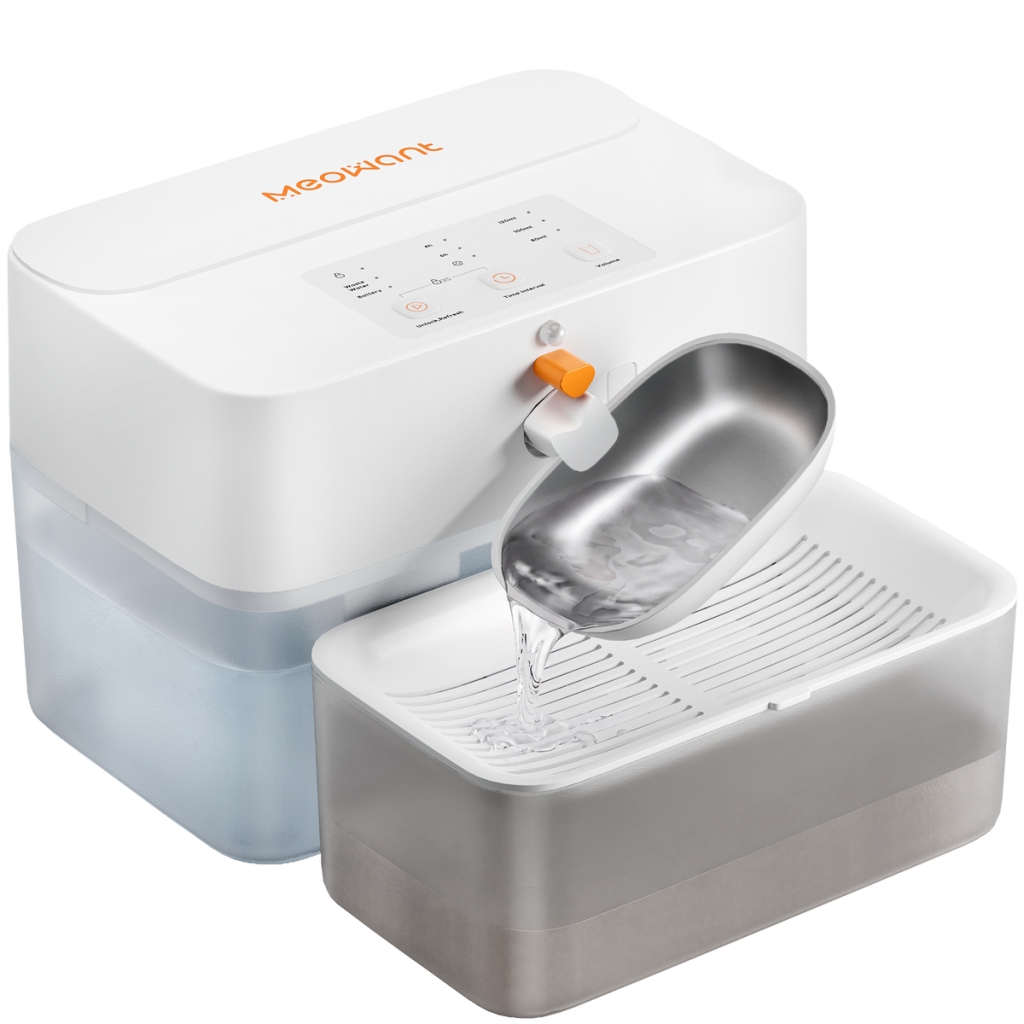
Keep the water topped up and the fountain clean, because a noisy, slimy unit defeats its purpose. Brands like Meowant build their fountains around simple, accessible parts for this exact reason, so routine cleaning stays quick. A well-maintained fountain becomes a fixture your cat checks every time it passes, and the hydration benefit follows naturally over weeks rather than days.
Finally, watch the fountain's placement over time. Cats shift their preferred spots as seasons change, and a fountain that once sat in a sunny corner may become less appealing in summer. Being willing to move it a few feet can revive a cat's interest, and it costs nothing to try. Observation, not assumption, is the best guide.
A Small Upgrade With a Real Health Payoff
A pet water fountain is one of the simplest changes you can make for a cat that drinks too little. Moving, filtered water appeals to feline instincts, encourages more frequent sipping, and makes hydration a natural part of the day rather than a chore you monitor. For many owners, it is the rare purchase that quietly improves health without adding effort.
The best fountain is the one you will actually clean and your cat will actually use. Prioritize a quiet pump, a manageable filter routine, and a design that fits your space. Introduce it gently, keep the old bowl nearby at first, and give your cat a few days to adjust. Do that, and you turn a daily worry into a quiet background habit that supports your cat's health for years to come.