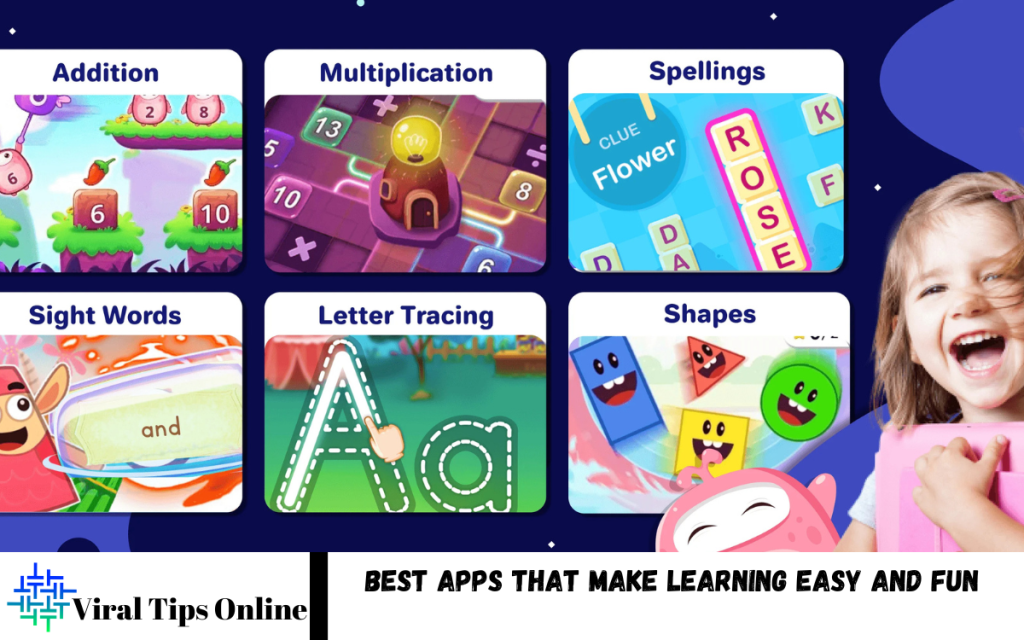
Learning is no longer limited to classrooms and textbooks. With the rise of innovative educational technology, students can now learn anytime, anywhere through interactive, engaging mobile applications. The best learning apps combine creativity, technology, and smart design to make education both easy and enjoyable.
Popular platforms like Duolingo make language learning fun through gamified lessons and daily challenges. Khan Academy offers free, high-quality courses in subjects ranging from mathematics to science, while BYJU’S provides engaging video lessons tailored for school students.
Language Learning Apps
Duolingo
Duolingo transformed language education through short lessons, streak rewards, and interactive exercises. Bite-sized modules strengthen vocabulary, grammar, pronunciation, and listening skills. Gamified progress tracking encourages daily practice. Adaptive algorithms personalize lesson difficulty based on performance.
Key Benefits:
- Interactive quizzes
- Daily streak motivation
- Multiple language options
- AI-powered personalization
Duolingo represents one of the Best Apps That Make Learning Easy and Fun for beginners and intermediate learners.
Babbel
Babbel focuses on real-life conversation skills. Structured lessons emphasize practical dialogue and cultural context. Speech recognition technology improves pronunciation accuracy. Clear grammar explanations support long-term fluency development.
Ideal for professionals seeking structured, goal-oriented language improvement.
Academic Learning Platforms
Khan Academy
Khan Academy provides free courses covering mathematics, science, economics, computing, history, and test preparation. Expert instructors deliver clear video explanations supported by practice exercises. Personalized dashboards track progress and recommend improvements.
Advantages include:
- Free access
- Comprehensive curriculum
- Practice quizzes
- Exam preparation support
Khan Academy consistently ranks among the Best Apps That Make Learning Easy and Fun due to accessibility and academic depth.
BYJU’S
BYJU’S offers animated video lessons designed for school students and competitive exam candidates. Visual storytelling simplifies complex topics. Adaptive assessments evaluate conceptual understanding.
Core Features:
- High-quality video lectures
- Personalized recommendations
- Practice tests
- Performance analytics
Coursera
Coursera partners with universities and global institutions to provide professional courses, certifications, and degree programs. Flexible scheduling supports working professionals. Peer-graded assignments encourage collaborative learning.
Specializations cover business, technology, health sciences, artificial intelligence, and management.
Udemy
Udemy hosts thousands of instructor-led courses across diverse subjects. Lifetime access enables self-paced study. Video lectures, downloadable resources, and practical assignments enhance skill development.
Popular categories include programming, digital marketing, graphic design, entrepreneurship, and productivity.
Skill Development and Coding Apps
SoloLearn
SoloLearn simplifies coding education through interactive lessons and practice challenges. Programming languages include Python, Java, C++, JavaScript, and SQL. Built-in code editor supports real-time experimentation.
Gamified achievements encourage continuous progress.
Udacity
Udacity focuses on technology careers. Nanodegree programs cover data science, machine learning, cybersecurity, and cloud computing. Industry mentors provide project feedback. Real-world projects strengthen job readiness.
Early Childhood Learning Apps
ABCmouse
ABCmouse delivers structured lessons for children aged 2–8. Subjects include reading, mathematics, art, and science. Animated characters guide young learners through interactive adventures. Reward systems encourage consistency.
Khan Academy Kids
Khan Academy Kids provides free educational games, books, and creative activities. Friendly characters maintain engagement. Curriculum aligns with early childhood learning standards.
Productivity and Study Support Apps
Quizlet
Quizlet supports memorization through flashcards, matching games, and timed quizzes. Students create custom study sets. Spaced repetition techniques enhance long-term retention.
Notion
Notion organizes notes, assignments, research projects, and study schedules. Custom templates improve workflow efficiency. Collaboration tools support group projects.
Forest
Forest improves concentration through gamified focus sessions. Users grow virtual trees during distraction-free study periods. Visual progress motivates discipline and time management.
STEM and Science Learning Apps
Brilliant
Brilliant emphasizes problem-solving skills in mathematics, data science, and computer science. Interactive exercises strengthen conceptual understanding rather than memorization.
Structured pathways guide learners from beginner to advanced levels.
Photomath
Photomath allows users to scan math problems with their smartphones. Step-by-step solutions explain the logic behind the answers. Suitable for algebra, calculus, and geometry support.
Read Also: 10 Simple Health Tips to Stay Fit at Home
Features That Make Learning Easy and Fun
The Best Apps That Make Learning Easy and Fun share essential characteristics:
1. Gamification
Points, badges, streaks, and leaderboards increase engagement and motivation.
2. Personalization
AI-driven recommendations adjust difficulty levels based on user performance.
3. Micro-Learning
Short lessons improve focus and prevent cognitive overload.
4. Interactive Content
Videos, animations, simulations, quizzes, and instant feedback enhance understanding.
5. Progress Tracking
Dashboards measure growth and identify improvement areas.
6. Accessibility
Mobile compatibility enables learning anytime, anywhere.
Benefits of Using Educational Apps
Educational applications deliver measurable advantages:
- Improved retention rates
- Increased learner motivation
- Flexible schedules
- Cost-effective alternatives to traditional courses
- Global access to expert instructors
- Self-paced progression
- Skill-based certification opportunities
Students in schools, universities, professional environments, and remote settings benefit from structured digital learning systems.
Choosing the Best Apps That Make Learning Easy and Fun
Selection depends on specific goals:
- Language fluency → Duolingo, Babbel
- Academic improvement → Khan Academy, BYJU’S
- Professional certification → Coursera, Udemy, Udacity
- Coding skills → SoloLearn
- Early childhood development → ABCmouse
- Study organization → Quizlet, Notion
- STEM mastery → Brilliant, Photomath
Clear objectives simplify decision-making.
Future of Learning Apps
Artificial intelligence, augmented reality, virtual classrooms, and adaptive analytics continue shaping education technology. Personalized digital tutors may soon deliver customized guidance comparable to human instructors.
Learning ecosystems now prioritize engagement, accessibility, flexibility, and measurable outcomes. Continuous innovation ensures educational apps remain central to modern knowledge acquisition.
Frequently Asked Questions
Which apps are best for language learning?
Duolingo and Babbel rank highly for vocabulary building, grammar improvement, and pronunciation practice. Gamified lessons increase consistency and engagement.
Can children use learning apps safely?
Yes. Apps like ABCmouse and Khan Academy Kids provide age-appropriate content with structured learning paths designed for young learners.
Are coding apps suitable for beginners?
Yes. Platforms such as SoloLearn offer beginner-friendly lessons with interactive coding exercises and real-time feedback.
Do learning apps provide certificates?
Many professional platforms like Coursera and Udemy offer certificates after course completion, which enhance resumes and LinkedIn profiles.
How do learning apps make education fun?
Gamification, reward systems, quizzes, leaderboards, streak tracking, and interactive videos increase engagement and reduce boredom.
Can learning apps replace traditional classrooms?
Learning apps support self-paced education and skill development. However, classroom environments still provide social interaction and structured academic discipline.
How to choose the best learning app?
Define clear learning goals. Select apps based on subject focus, budget, certification requirements, and user interface preference. Reviews and trial versions assist decision-making.
Conclusion
Technology transformed education into dynamic, accessible, and engaging experiences. Best Apps That Make Learning Easy and Fun empower students through interactive lessons, gamified challenges, personalized pathways, and real-time feedback.
Language mastery, academic excellence, professional development, coding expertise, and early childhood education all benefit from innovative digital platforms. Strategic app selection based on learning objectives maximizes results.