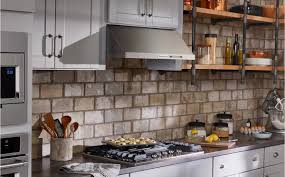
If you’re upgrading your kitchen or building a new space from scratch, one appliance that deserves genuine attention is the wall-mounted range hood. These units are more than a decorative accent above your stove — they’re an essential tool for capturing steam, smoke, grease and odors that cooking generates. In this article, we’ll explore exactly how wall mounted range hoods work, why they matter, and what to consider before choosing one for your home.
What Is a Wall Mounted Range Hood?
A wall mounted range hood is a ventilation system installed above your cooktop and attached directly to the wall. Unlike under-cabinet models, these hoods typically feature a broad canopy and a chimney-style structure that channels air upward either through ductwork to the outside or through filters if used in recirculation mode.
These hoods combine function and design: they help keep the air clean while also serving as a stylistic focal point in your kitchen.
Ready to upgrade? Check wall mount range hood for quality, modern options that match today’s kitchen aesthetics.
How Wall Mount Range Hoods Work — The Basics
At their core, wall mount range hoods operate through three main systems:
1. Suction and Ventilation
When you turn on a range hood, a powerful fan draws air — and all that comes with it — upward into the hood. This includes smoke, steam, grease particles, and food odors. The effectiveness of this process is measured in CFM (cubic feet per minute), with higher CFM units removing air more quickly.
There are two common ventilation configurations:
- Ducted (Vented) — Air is pulled in and pushed outside your home through a duct system.
- Ductless (Recirculating) — Air is filtered (usually through charcoal andmesh filters) and then returned to the kitchen.
Many modern wall hoods support convertible installation, meaning you can switch between vented and recirculating depending on your kitchen layout.
2. Filtration
Filtration is what makes your range hood effective. Grease and smoke travel into the hood and pass through metal filters that trap particles. These are often aluminum mesh or baffle filters, both designed to capture heavy grease before it can stick to your kitchen surfaces.
In ductless mode, additional charcoal filters help absorb odors — though these need periodic replacement.
3. Lighting and Controls
Most wall mount range hoods include built-in lighting that improves visibility on your cooktop. Lamps (often LED) provide task lighting so you can clearly see what’s cooking, even in low light.
Control panels let you choose fan speeds to match your cooking intensity — from gentle simmering to high-power frying.
Why Wall Mounted Range Hoods Matter in Your Kitchen
Improved Air Quality
Opening a window isn’t always enough. A wall mounted range hood actively captures harmful steam, smoke, and airborne grease that can discolor walls, create unpleasant odors, or even affect long-term health.
A quality hood keeps your kitchen air cleaner and your living environment more comfortable.
Enhanced Cooking Experience
Cooking can be messy — especially when frying or searing. A powerful range hood accelerates air circulation so you experience fewer lingering odors or sticky residues. That means less cleanup and more enjoyable meal prep time.
Stylish Design That Adds Value
Wall mount hoods come in diverse finishes — from stainless steel and glass to modern black or custom metal designs. They can complement any kitchen style, from minimalist to ultra-contemporary — turning them into both functional appliances and design statements.
Also, you can explore premium range hood styles at shopfuturyhome for options that elevate both style and performance.
Installation Basics (What You Should Know)
Installing a wall mount range hood requires careful planning. Here are a few practical tips:
- Position the hood at the recommended height above your cooktop (typically 27–30 inches for gas stoves) so it captures fumes effectively without interfering with your cooking space.
- Secure the hood to studs in the wall for stable support. Range hoods can be heavy, and anchoring them properly prevents sagging or vibration.
- If using ducted ventilation, ensure ductwork is routed efficiently with as few bends as possible for optimal airflow.
Many homeowners choose to involve a professional installer to ensure proper venting and compliance with electrical codes.
Maintenance Tips for Long-Lasting Performance
To get the most out of your wall mounted range hood:
- Clean filters regularly — grease buildup reduces efficiency and increases noise.
- Check ducts for blockages — clear ductwork improves airflow and performance.
- Inspect fan operation occasionally — early detection of issues keeps your hood running smoothly.
Regular maintenance makes your investment last longer and keeps your kitchen healthier.
Final Thoughts
A wall mount range hood isn’t just an accessory — it’s a cornerstone of functional kitchen design. Whether you’re battling strong cooking odors, steam, or grease, these systems work diligently to keep your air clear and your space protected.
If you’re ready to choose a range hood that blends performance with style, explore the latest options from wall mount range hood or browse a wide selection of kitchen solutions at shopfuturyhome.
With the right hood in place, you can breathe easier — and cook with confidence.