Most cat owners buy their first litter box without much thought. It is a plastic pan, it is inexpensive, and it does the job. The question of whether to pay more for a stainless steel version rarely comes up until the plastic one starts to look and smell worn. At that point, the choice is real: replace the pan with another cheap plastic model, or spend more on metal and hope it lasts.
That decision is easier when you break it down into what you are actually paying for. Stainless steel costs more up front, but it behaves differently over time, and the difference shows up in odor, cleaning time, and how often you have to shop for a replacement. This guide compares the two materials honestly, including the cases where plastic still makes sense, so you can decide whether the upgrade fits your household rather than a sales pitch.
What You Are Really Paying For
The sticker price is only the first number. A plastic pan is cheap to buy and cheap to replace, but it typically needs replacing within a year or two once scratches and odor set in. A stainless pan costs more at the start, yet it can last for many years with basic care. Spread over that lifespan, the price gap narrows considerably, and in many cases the metal box ends up costing less per year of use.
The more important difference is not money. It is the daily experience. A non-porous surface means urine and bacteria have nowhere to soak in, so the box does not develop that sour smell that lingers in plastic no matter how often you wash it. Cleaning becomes a quick wipe instead of a scrubbing session. For anyone who has owned a smelly plastic box, that change alone often justifies the stainless steel cat litter box.
There is a third factor that rarely gets mentioned: stability. Metal pans are heavier, and they do not flex or slide when a cat jumps in or digs hard. That steady feel matters to cats, especially large ones, and it reduces the chance of litter being kicked over the edge.
A Side-by-Side Comparison
The two materials differ in ways that are easy to test and hard to fake. Here is how they compare on the points that matter most in daily use.
Odor Retention
Plastic is porous at a microscopic level. Claws leave shallow scratches, and those scratches trap moisture and organic matter. Even after a thorough wash, some of that residue stays behind, which is why plastic boxes often smell faintly even when they look clean. Stainless steel does not absorb liquid, so odor has nothing to cling to. A washed metal pan smells neutral, and it stays that way between cleanings.
Scratch Resistance and Durability
A plastic pan develops visible scratches within weeks. Over time, those scratches make the surface rougher, which makes litter stick and cleaning harder. Stainless steel resists scratching far better and does not degrade the same way. It also will not warp, crack, or discolor. The rim stays straight, the base stays flat, and the pan looks essentially the same after years of use.
Cleaning Effort
With plastic, you often need hot water, soap, and scrubbing to remove stuck litter and residue. With stainless steel, warm water and a soft cloth are usually enough. There is no need for harsh deodorizers, and no risk of damaging the surface with normal cleaning. Over a year of weekly washes, the time saved adds up, and the job itself is far less unpleasant.
Weight and Portability
This is the one area where plastic has an edge. A metal pan is heavier and harder to carry, which matters if you move it between rooms or take it on trips. For a permanent setup in one spot, the weight is an advantage. For a box that travels, a lighter plastic option may be more practical. Rolled edges on a metal pan make it safer to lift and reduce the risk of cuts.
Who Benefits Most From Metal
Multi-cat households feel the difference first. With several cats using the same boxes, odor builds faster and cleaning happens more often, so a surface that resists odor and cleans quickly pays off immediately. Owners who have struggled with persistent smells, or who have cats that avoid a box once it starts to smell, often find that metal solves a problem plastic never could.
Large cats are another group that benefits. A heavy cat puts more stress on a pan, and a plastic base can bow or crack over time. A metal pan holds its shape, which keeps the litter level even and the edges intact. If your cat is at the upper end of the size range for standard boxes, a sturdy metal pan is often the difference between a box that lasts and one that has to be replaced.
Owners Tired of Replacing Pans
If you have replaced a litter box every year or two, the math favors metal. One durable pan outlasts several plastic ones, and you avoid the cycle of buying, using, and discarding. It also means your cat does not have to adjust to a new box, which can trigger avoidance and accidents outside the pan.
Cats With Sensitive Noses
Cats have a far stronger sense of smell than humans. A box that seems acceptable to you may be unpleasant to a cat, and a cat that dislikes its box will find somewhere else to go. A metal pan that stays neutral removes one common source of stress. Combine it with daily scooping and a quiet location, and you have a setup that encourages consistent use.
When Plastic Still Makes Sense
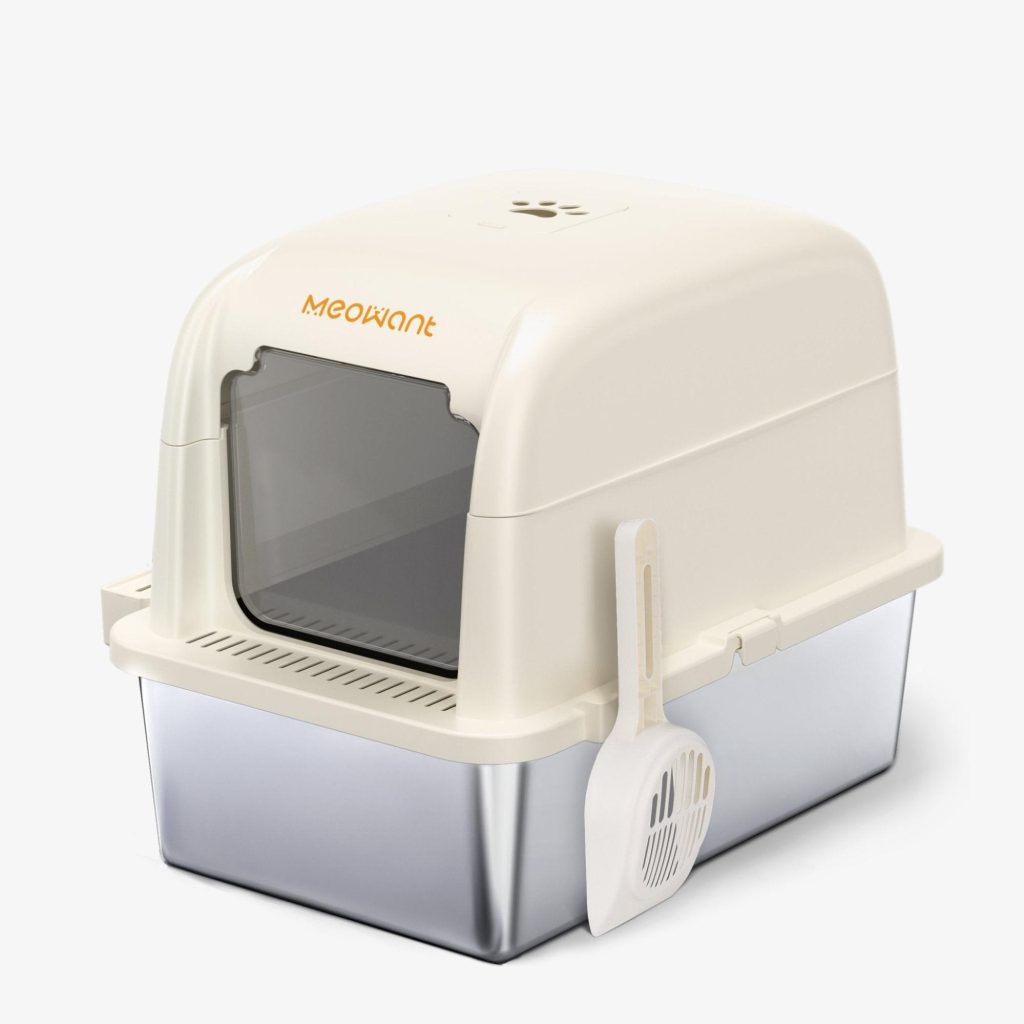
Stainless steel is not the right answer for every situation. If you need a disposable box for travel, a lightweight plastic pan is easier to pack. If you are fostering kittens for a short period, a cheap pan may be more sensible than a long-term investment. Some cats also prefer enclosed hoods, which are more common in plastic designs, though metal options with covers do exist.
The key is to match the material to the use. A temporary or portable box does not need to last for years. A permanent box in a busy household does, and that is where metal earns its keep. If you are unsure, start with a metal pan for your main litter station and keep a simple plastic box as a backup for travel or for the transition period when introducing a new box.
A Practical Upgrade, Not a Luxury
Whether a stainless steel litter box is worth it depends on what you value. If you want the lowest possible price today, plastic is still the cheaper option. If you want a box that stays cleaner, smells neutral, and lasts for years, metal is the more sensible long-term choice, and the cost per year is often lower than it appears.
For most households with a permanent litter setup, the upgrade pays for itself in time, odor control, and fewer replacements. Brands such as Meowant offer stainless pans with rolled edges and stable bases that suit everyday use. Look at your current box: if it smells, scratches easily, or has been replaced more than once, the answer is probably yes.