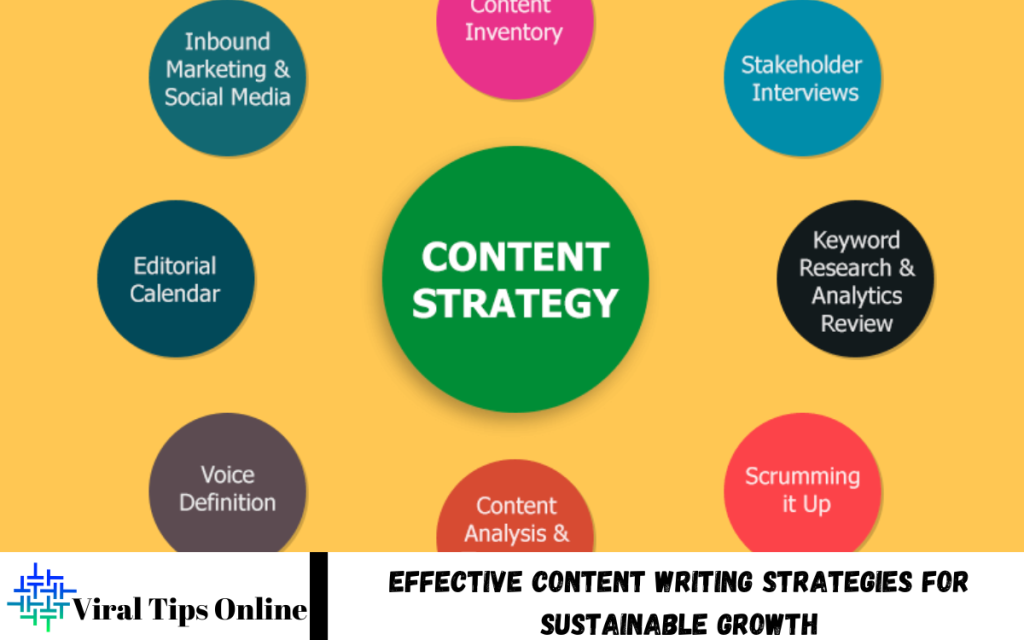
Content writing strategies are the foundation of effective digital communication in today’s competitive online world. A well-planned content strategy ensures that every piece of content serves a clear purpose—whether it is to inform, engage, convert, or build long-term brand authority.
Strong content writing strategies combine creativity with data-driven planning. This includes keyword research, topic clustering, SEO optimization, consistent tone of voice, and clear content goals. By aligning content with business objectives, writers can produce articles, blogs, web pages, and social media posts that not only attract traffic but also deliver real value to readers.
Importance of Content Writing Strategies
Effective Content Writing Strategies deliver consistent growth across search engines, social platforms, and brand channels. Strategy-driven content improves visibility, credibility, and engagement. Businesses using structured content planning experience higher organic reach and stronger audience trust.
Key benefits include:
- Improved search engine rankings
- Higher audience engagement
- Stronger brand authority
- Consistent publishing workflow
- Increased conversion potential
Content without strategy often lacks focus, structure, and measurable impact.
Understanding Target Audience
Audience research remains the foundation of successful Content Writing Strategies. Writers must identify reader demographics, preferences, pain points, and content consumption habits. Understanding intent allows the creation of relevant, valuable content aligned with the reader’s expectations.
Audience analysis includes:
- Search behavior
- Platform usage
- Content format preference
- Problem-solving needs
Targeted content increases retention and credibility.
Keyword Research and Topic Planning
Keyword research drives visibility and relevance. Content Writing Strategies rely on primary keywords, secondary keywords, and semantic variations. Topic planning ensures coverage of user intent while avoiding content gaps.
Best practices include:
- Search intent analysis
- Long-tail keyword integration
- Topic clusters creation
- Competitor content review
Strategic keyword placement improves rankings without harming readability.
Content Structure and Readability
Professional Content Writing Strategies emphasize clarity and flow. Well-structured content improves user experience and reduces bounce rates. Logical organization helps readers scan information efficiently.
Key structural elements:
- Clear headings and subheadings
- Short paragraphs
- Bullet points
- Logical content progression
Readable content supports engagement and retention.
SEO Optimization in Content Writing Strategies
Search engine optimization remains a core component of Content Writing Strategies. SEO-focused writing balances keyword usage, semantic relevance, and user experience.
SEO optimization includes:
- Strategic keyword placement
- Optimized headings
- Internal linking
- Meta data alignment
- Content freshness
Search engines reward content delivering relevance and value.
Content Tone and Brand Voice
Consistent tone strengthens brand identity. Content Writing Strategies define voice based on brand positioning and audience expectations. Professional tone builds trust, while conversational tone improves engagement.
Brand voice guidelines ensure:
- Message consistency
- Emotional connection
- Audience recognition
- Long-term brand recall
Voice alignment increases content effectiveness.
Content Types and Formats
Successful Content Writing Strategies include multiple content formats to meet diverse audience needs. Format selection depends on platform and intent.
Popular formats include:
- Blog articles
- Website pages
- Product descriptions
- Social media content
- Email newsletters
- Case studies
- Guides and tutorials
Diverse formats increase reach and engagement.
Read Also: Next-Generation SEO Tips for 2026
Content Calendar and Consistency
Consistency builds authority. Content Writing Strategies rely on structured publishing schedules. Content calendars improve workflow management and topic planning.
Benefits include:
- Organized content production
- Timely publishing
- Balanced topic distribution
- Performance tracking
Regular publishing strengthens audience trust.
Content Performance Analysis
Performance tracking allows continuous improvement. Content Writing Strategies include data analysis to measure impact.
Key metrics include:
- Organic traffic
- Engagement rate
- Conversion rate
- Bounce rate
- Time on page
Data-driven optimization improves long-term results.
Updating and Repurposing Content
Content maintenance extends value. Content Writing Strategies include updating outdated information and repurposing high-performing content.
Repurposing methods include:
- Blog to video conversion
- Article to infographic transformation
- Social media excerpts
- Content expansion
Content reuse increases efficiency and visibility.
Common Content Writing Strategy Mistakes
Avoiding mistakes improves content success. Common errors include:
- Ignoring audience intent
- Keyword overuse
- Poor structure
- Inconsistent publishing
- Lack of optimization
Strategic planning prevents content failure.
Future Trends in Content Writing Strategies
Content Writing Strategies evolve with technology and user behavior. Future trends include:
- AI-assisted content research
- Voice search optimization
- Personalized content delivery
- Interactive content formats
- Data-driven storytelling
Adaptation ensures sustained competitiveness.
Frequently Asked Questions
What role does keyword research play in Content Writing Strategies?
Keyword research identifies topics users actively search for, helping writers create content that attracts organic traffic and matches user intent.
How often should content be published?
Publishing frequency depends on resources and goals, but consistency matters more than volume. A structured content calendar supports regular publishing.
What content formats work best in Content Writing Strategies?
Effective formats include blog posts, landing pages, guides, case studies, social media content, and email newsletters, depending on audience needs.
How do Content Writing Strategies increase conversions?
They guide readers through clear messaging, value-driven content, strong structure, and relevant calls to action that encourage desired actions.
How can content performance be measured?
Performance can be measured using metrics such as organic traffic, engagement rate, bounce rate, time on page, and conversion rate.
Should old content be updated?
Yes. Updating existing content improves accuracy, maintains relevance, and can significantly boost search engine rankings and engagement.
What mistakes should be avoided in Content Writing Strategies?
Common mistakes include ignoring audience intent, overusing keywords, poor structure, inconsistent publishing, and lack of performance analysis.
Conclusion
Content Writing Strategies provide a roadmap for creating impactful, goal-oriented content. Strategic writing connects brands with audiences through relevance, clarity, and value. Businesses investing in professional content strategies gain long-term growth, improved visibility, and stronger brand authority. Success depends on research, structure, consistency, and continuous optimization.