Managing your finances can often feel overwhelming, especially in a world full of tempting purchases and instant gratification. Yet, maintaining control over your spending doesn’t have to be complicated. The key lies in cultivating proven habits that promote financial discipline and long-term stability.
One of the most effective ways to keep spending under control is to track every expense. Awareness alone can prevent impulsive purchases and highlight areas where money can be saved. Another essential habit is creating a realistic budget that aligns with your income and priorities, ensuring that every dollar serves a purpose.
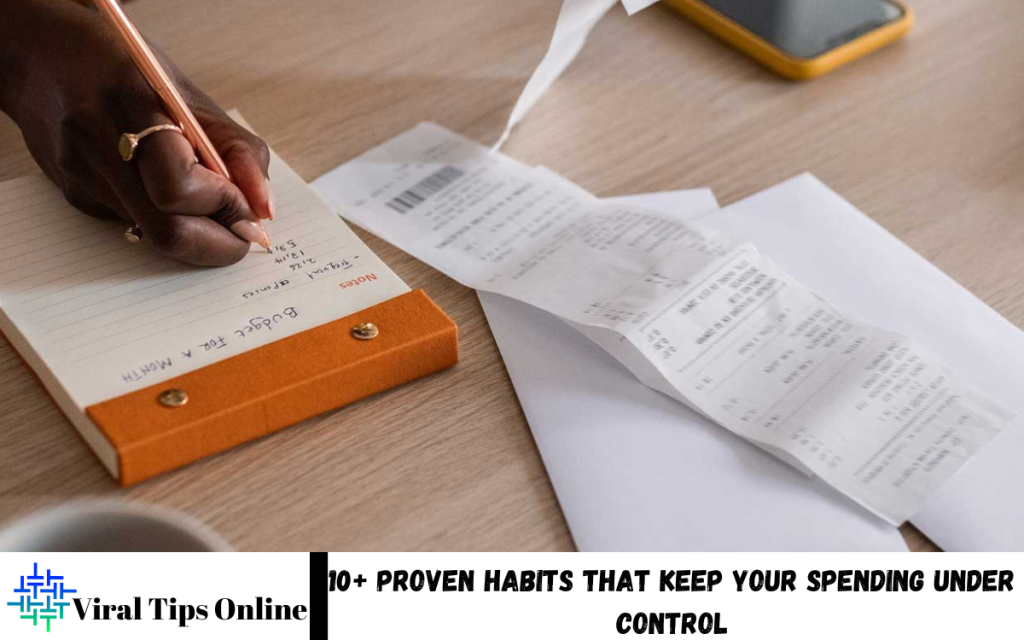
10+ Proven Habits That Keep Your Spending Under Control
Managing money effectively is more important than ever. Many people struggle with overspending, often falling into the trap of impulsive purchases or unnecessary expenses. While it’s easy to blame external factors like marketing or rising costs, the real solution lies in adopting consistent habits that promote financial discipline. By cultivating proven strategies, you can take control of your spending, save more, and achieve financial stability.
Track Every Expense
The first step in controlling spending is understanding where your money goes. Tracking expenses might sound tedious, but it’s essential for gaining clarity. Start by recording every purchase, whether big or small. Digital tools like budgeting apps or spreadsheets can simplify this process. Once you see a detailed breakdown of your spending, patterns emerge, helping identify unnecessary or impulsive purchases. Over time, tracking expenses creates awareness, making it easier to stick to a budget.
Create a Realistic Budget
Budgeting is not about restriction—it’s about control. A well-structured budget allocates your income to essential needs, savings, and discretionary spending. Start by listing fixed expenses like rent, utilities, and groceries. Then, set aside a portion for savings and entertainment. A realistic budget prevents overspending by giving every dollar a purpose. Remember, the key is flexibility; budgets should adapt to life changes rather than feeling like a rigid rulebook.
Automate Savings
One of the most effective habits to control spending is automating your savings. By setting up automatic transfers to a savings account or investment plan, you ensure that saving happens before discretionary spending. This “pay yourself first” approach reduces the temptation to spend extra money on non-essential items. Over time, automated savings build an emergency fund and provide financial security without the stress of manual planning.
Set Clear Financial Goals
Having clear, actionable financial goals motivates you to spend wisely. Goals can be short-term, like saving for a vacation, or long-term, like buying a home or preparing for retirement. When you have a goal, every purchase is evaluated in context. Ask yourself: “Does this expense bring me closer to my financial objective?” This mindset reduces impulsive spending and encourages intentional money management.
Differentiate Between Needs and Wants
Impulse purchases often stem from confusing wants with needs. Needs are essentials required for survival and basic comfort—housing, food, healthcare, transportation. Wants, on the other hand, are discretionary items that enhance lifestyle but aren’t necessary. Before making a purchase, pause and ask: “Do I truly need this?” Developing this habit reduces unnecessary spending and strengthens financial discipline.
Practice Mindful Spending
Mindful spending is about being present and deliberate with your purchases. It requires evaluating the value and necessity of each expense. Avoid shopping as a reaction to boredom, stress, or social pressure. By slowing down and considering alternatives, you’ll make smarter financial decisions. Simple techniques like making a 24-hour wait rule before large purchases can prevent impulsive spending and help prioritize what truly matters.
Limit Credit Card Use
Credit cards are convenient but can encourage overspending if not managed properly. Relying on credit for non-essential items often leads to high-interest debt. To stay in control, limit credit card use for essentials or emergencies only. Pay off balances in full each month to avoid interest charges. Using cash or debit cards for daily purchases can also provide a tangible sense of money leaving your hands, making you more conscious of spending habits.
Avoid Lifestyle Inflation
Lifestyle inflation occurs when spending increases alongside income growth. While it’s tempting to upgrade your lifestyle with every raise, doing so can prevent you from saving or investing effectively. Maintain your current standard of living, and channel extra income toward savings, debt repayment, or investments. Avoiding lifestyle inflation ensures financial growth and long-term stability.
Shop Smart and Compare Prices
Smart shopping habits significantly impact spending control. Always compare prices before making purchases and look for discounts, deals, or cashback offers. Avoid buying on impulse just because a product is on sale; ensure it aligns with your needs and budget. Additionally, planning grocery shopping and using lists can prevent overspending on unnecessary items.
Read Also: Over $1,000 in Checking – Here Are 7 Ways to Grow It Wisely
Review and Adjust Regularly
Controlling spending is an ongoing process. Review your finances regularly to assess progress, identify problem areas, and adjust strategies. Monthly or quarterly financial reviews help ensure your spending habits align with goals. Over time, small adjustments can create significant improvements in saving, reducing debt, and achieving financial security.
Build an Emergency Fund
An emergency fund acts as a safety net, preventing financial stress when unexpected expenses arise. Without it, people often resort to credit cards or loans, which increases debt. By setting aside even a small portion of income each month, you create a buffer that protects against sudden financial shocks. This habit also encourages mindful spending, knowing that money is reserved for emergencies rather than impulsive purchases.
Limit Exposure to Advertising
Modern marketing is designed to trigger impulsive spending. Reducing exposure to advertisements—whether on social media, television, or online shopping platforms—can help curb unnecessary purchases. Unsubscribe from promotional emails, avoid window shopping online, and practice self-discipline when confronted with targeted ads. Less exposure to advertising leads to more deliberate and controlled spending.
Practice Gratitude and Contentment
Financial discipline is not just about restriction; it’s about mindset. Practicing gratitude for what you already have reduces the urge to buy more. Contentment fosters intentional living and prevents comparison-driven spending. When you focus on value rather than accumulation, you naturally spend less on non-essential items and invest more in experiences, savings, and meaningful goals.
Frequently Asked Questions
Can automation help me save money?
Absolutely. Automating transfers to savings accounts or investments ensures you save consistently and reduces the temptation to spend extra money.
How do I stop lifestyle inflation?
Maintain your current standard of living even after income increases. Use extra income for savings, investments, or debt repayment instead of unnecessary upgrades.
How important is differentiating between needs and wants?
It’s crucial. Understanding the difference prevents overspending, helps prioritize essentials, and ensures your money goes toward meaningful financial goals.
Should I limit credit card use to control spending?
Yes. Credit cards can encourage overspending and high-interest debt. Use them for essentials or emergencies and pay balances in full each month.
How often should I review my spending habits?
Monthly or quarterly reviews are ideal. Regular assessment helps adjust budgets, identify problem areas, and track progress toward financial goals.
Can practicing gratitude help with financial discipline?
Yes. Being content and grateful for what you have reduces the desire for unnecessary purchases, promotes mindful spending, and supports long-term financial stability.
Conclusion
Controlling spending is a skill, and like any skill, it improves with consistent practice. By adopting habits like tracking expenses, budgeting, automating savings, mindful spending, and avoiding lifestyle inflation, anyone can take control of their finances. These strategies do not just reduce overspending—they build financial resilience, reduce stress, and empower you to achieve your goals.